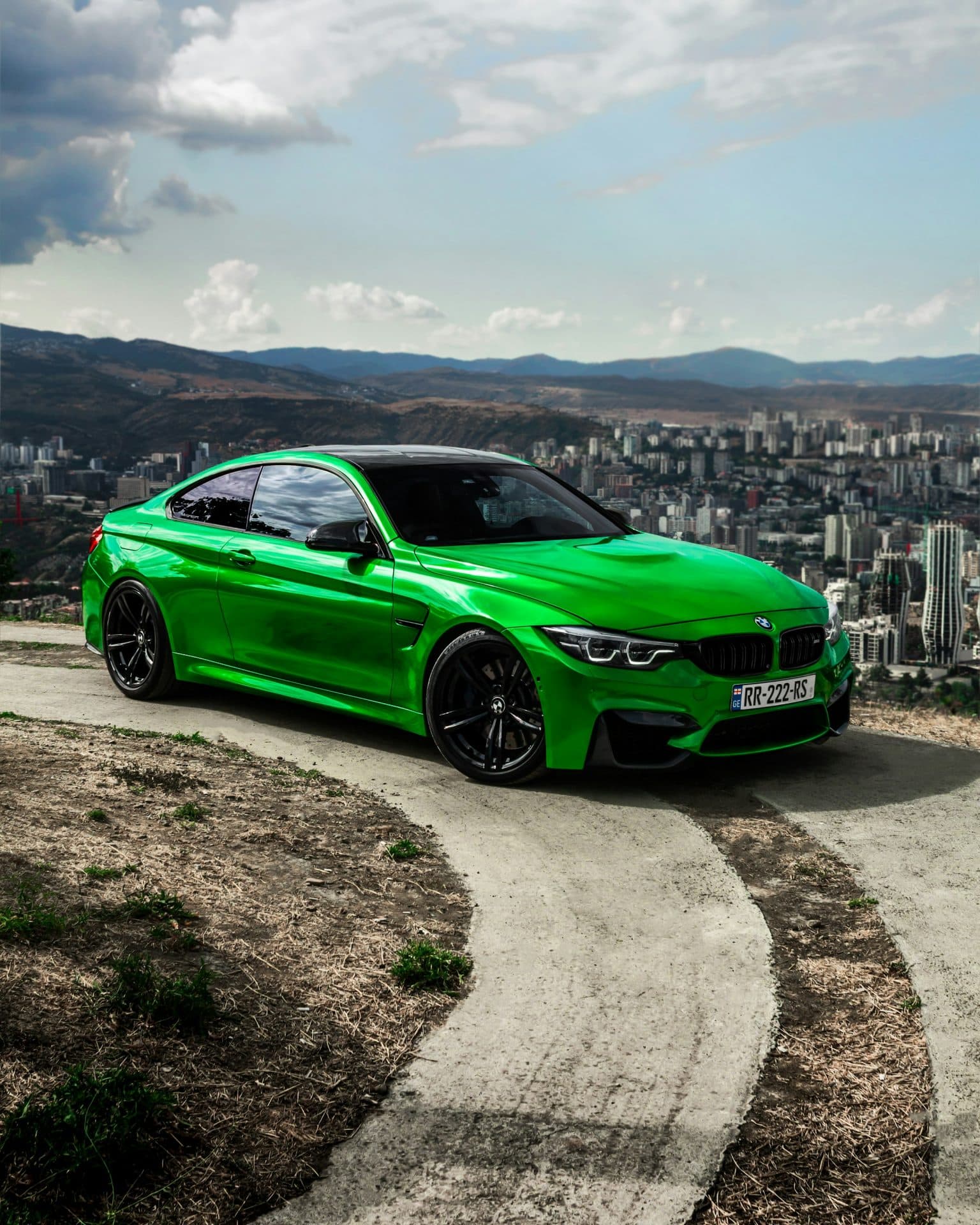
The Ultimate Protection for Your Vehicle’s Paint
Your car’s paint is one of its most visible and valuable features. No matter how carefully you drive or maintain your vehicle, everyday driving exposes the paintwork to road debris, stone chips, scratches, insects, UV rays, and environmental contamination. Over time, even a well-maintained car can begin to lose its original appearance.
Your car’s paint is one of its most visible and valuable features. No matter how carefully you drive or maintain your vehicle, everyday driving exposes the paintwork to road debris, stone chips, scratches, insects, UV rays, and environmental contamination. Over time, even a well-maintained car can begin to lose its original appearance.
This is where Paint Protection Film (PPF) comes in.
PPF is a transparent protective film designed to protect a vehicle’s painted surfaces from common forms of physical and environmental damage while helping maintain the original look of the car. For car owners who want to keep their vehicle looking newer for longer, PPF has become one of the most effective paint-protection solutions available today.
What Is Car PPF?
Paint Protection Film, commonly known as PPF, is a thin, transparent film applied directly to a vehicle’s painted surfaces. Modern PPF is typically made from advanced polyurethane materials that provide a combination of flexibility, durability, and optical clarity.
Unlike traditional car wax or ceramic coating, PPF provides a physical layer of protection between the vehicle’s paint and the outside environment.
Depending on the quality and type of film, PPF can help protect against:
Stone chips and road debris Light scratches and scuffs Insect stains and bird droppings Road grime and contaminants Minor surface abrasions UV-related paint deterioration
PPF can be installed on the entire vehicle or only on high-impact areas such as the front bumper, hood, fenders, side mirrors, door edges, and rocker panels.
Why Do Cars Need Paint Protection?
Even careful drivers cannot completely avoid the small hazards found on the road.
When a vehicle travels at high speed, tiny stones and road debris can hit the front of the car with considerable force. Over time, these impacts can create small chips in the paint. Once the paint is damaged, the affected area may become more noticeable and can require touch-up or repainting.
Parking areas can create another type of risk. Door edges, shopping carts, bags, and other objects can cause scratches or scuffs. Environmental contaminants such as bird droppings, insects, tree sap, and road chemicals can also affect the surface if they remain on the paint for extended periods.
PPF works by adding a sacrificial protective layer over the original paint. Instead of the paint taking the direct impact, the film absorbs much of the damage.
Key Benefits of Car PPF 1. Protection Against Stone Chips
One of the biggest advantages of PPF is protection against stone chips and road debris.
The front bumper, hood, and side mirrors are particularly vulnerable because they face direct impact while driving. A quality PPF can help reduce the chance of these impacts reaching the original paint.
For drivers who frequently travel on highways or roads with loose gravel, PPF can be especially valuable.
2. Helps Prevent Minor Scratches
PPF can protect against many types of light surface scratches and abrasions.
Some modern films also feature self-healing technology, allowing minor surface scratches to disappear or become significantly less visible when exposed to heat, such as sunlight or warm water.
However, self-healing does not mean that the film is completely scratch-proof. Deep scratches, cuts, and strong impacts can still damage the film.
3. Maintains the Original Paint
A major reason car enthusiasts choose PPF is to preserve the factory paint.
Original factory paint is often difficult to reproduce perfectly after repainting. Differences in color, texture, finish, and application can sometimes become visible.
By protecting the original paint from damage, PPF can help keep the vehicle closer to its original condition.
4. UV and Environmental Protection
Continuous exposure to sunlight can contribute to paint deterioration and fading over time. PPF provides an additional protective barrier against UV exposure while also helping reduce direct contact between the paint and environmental contaminants.
This is particularly useful for vehicles that are frequently parked outdoors.
5. Easier Maintenance
A good PPF surface can make routine cleaning easier because contaminants are less likely to directly interact with the vehicle's original paint.
When combined with proper washing and maintenance, PPF can help keep the vehicle looking clean and glossy with less effort.
PPF vs. Ceramic Coating
PPF and ceramic coating are sometimes confused because both are used for vehicle paint protection. However, they serve different purposes.
PPF is primarily a physical protection layer. It is designed to absorb impacts and protect against scratches, chips, and other forms of physical damage.
Ceramic coating is primarily a chemical and surface-protection layer. It enhances hydrophobic properties, gloss, and resistance to certain contaminants, making the surface easier to clean.
For example, if a small stone hits the vehicle, ceramic coating generally cannot provide the same level of impact protection as PPF. PPF is specifically designed to provide a sacrificial physical barrier.
For maximum protection, some vehicle owners choose to use PPF together with a ceramic coating, provided the products and installation process are compatible.
Which Parts of the Car Should Have PPF?
Full-body PPF provides the highest level of coverage, but it is not always necessary for every vehicle or budget.
A popular alternative is to protect the vehicle’s high-impact areas, including:
Front bumper Full or partial hood Front fenders Side mirrors Door edges Rocker panels Headlight areas Door cups
This approach provides strong protection where the vehicle is most likely to receive damage while keeping the overall installation cost lower than a full-body application.
Choosing the Right PPF
Not all PPF products are the same.
When selecting a PPF, car owners should consider several factors, including film quality, thickness, optical clarity, durability, adhesive performance, warranty, and the reputation of the manufacturer.
A high-quality film should maintain good transparency and appearance over time without excessive yellowing, bubbling, or premature deterioration.
However, installation quality is just as important as film quality.
Even an excellent PPF product can produce a poor result if it is installed incorrectly. Proper surface preparation, accurate pattern cutting, careful application, and professional finishing are essential for achieving a clean and long-lasting installation.
Is PPF Worth It?
For many vehicle owners, the answer depends on how they use and maintain their car.
PPF can be particularly worthwhile for:
New or recently purchased vehicles Luxury and premium vehicles Sports cars and performance vehicles Vehicles with expensive or difficult-to-match paint Cars frequently driven on highways Owners who want to preserve resale condition Car enthusiasts who prioritize paint appearance
PPF is an investment in the condition of the vehicle rather than simply a cosmetic upgrade.
If maintaining the original paint and reducing visible damage are important priorities, PPF can provide significant long-term value.
Final Thoughts
A car is more than transportation for many owners. It can represent an investment, a passion, and a source of pride.
Everyday driving inevitably exposes the vehicle to risks, but protecting the paint does not have to be complicated. Paint Protection Film provides a transparent, durable layer between your vehicle and the road, helping protect the original paint from stone chips, minor scratches, and environmental damage.
With the right film, professional installation, and proper maintenance, PPF can help preserve the appearance of a vehicle for years to come.
Whether you choose full-body PPF or protection for high-impact areas, the goal is the same: protect the paint today so your car can continue looking its best tomorrow.